The ongoing saga or insanity of my family, writing, living post stroke, and the world in general...I'd spend all my time writing if LIFE didn't get in the way.
The dismantling of the deck began this week several weeks prior to when it was suppose to. Now keep in mind, I never asked my son in law for elevated raised beds, he saw this video...
and he decided on his own to build them for me out of the pressure treated wood from the deck boards and braced. When I asked him how the limber was pressure treated, he looed at me confused. I then explained that heat pressure treated boards could be used without worry about leeching chemicals. He told me that he just thought to cut up the pool liner to protect the soil. I thought about it. He's really a smart kid.
I showed him this. It's what we did om the homestead.
He liked that idea also. He decided that where the pool and deck was, he put in the elevated raised beds. His reasoning, to make it easier on me and recycle what he was demolishing. See, I'm already rubbing off on the kids in a good way.😋
It will be closer to Fall before they are all completed, but that's okay. I can have ;omg growing dedicated spaces for like onions, garlic, and leeks which can take 9 months to grow before harvesting. Meanwhile, I cab use the on ground garden for kale, collards, carrots and other cool-ish weather crops. I may be able to plant my Spring veggies such as cabbages, Napa, and peas in. I don't know yet. First projected frost date isn't until Nov 1st with the first projected hard freeze date until around Thanksgiving. I've given up trying to second guess Mother Nature. I'm going to plant and pray. At least until I can get a high tunnel built.
I interview my new cardiology team later this month. My daughter has heard some great things about them so we'll see. In August I meet, the neurology team I was referred to by my past neuro team, My daughter again has heard laurels about them, but not my individual doctor. That's okay, I've found it easy to switch doctors within the group. My round of Botox will be late by three months, and I'll physically pay the price for that, but I'll grin and bear it like I usually do. In north GA, I had a hard time finding a PCP to play ring leader for my circle of preforming specialist, not so much here. I had n appointment with my daughter's for next week. All that's left is choosing an endocrinologist. It would not be so bad if I didn't have a long list of specialists in this field that I will not choose because I had experience with them due to my husband's rare endocrine diagnosis that eventually killed him. Remember, he was one of 600 cases, documented world wide.
Well, that's my update for this week. How's your week going?
This week I've had a song stuck in my head as I harvested the cherries and figs. Can anyone guess that song?
It's just one of those jingles from my childhood television watching. But as I picked the cherries and figs, it went round and round my head. Each time I picked one and dropped it in my five gallon bucket it made a plopping sound, and after a while, the juices made a slight fizzing sound.
Mel thought I was crazy when I chopped the main trunks of these trees at four foot tall as they grew, but there was a rhyme to my reasoning. I knew that when we would eventually espalier the trees or let them be, they'd be easy to harvest. The heavy fruit covered branches would almost sweep the ground. With careful pruning each winter, the new growth, where the fruit would grow, could be simple to harvest. "Ah! What a relief it is!"
Granted these trees were only planted three years ago so the harvests are small. I really didn't expect anything more than a couple jars of jam and some fresh eating until year five. Just like with the peaches, these trees flowered up beautifully in the spring. The bees were happy. They are still buzzing around the late bloomers. And just like the peaches, the fruits are about half the size they should be. It's been a crazy weather year for us with the winter chill and frosts not leaving us until mid June. Now, I've picked a five gallon bucket of each fruit this week! We are blessed!
By planning, I adjusted the height of these fruit trees around my limitations. Knowing my vertigo issues helped me do this planning. In caring (pruning/fertilizing) for these trees everything is no higher than my height. The same goes for harvesting. We will probably spend most of this winter espalier these trees. AKA, digging post holes and running wire to twist and tie the branches to before spring. I'd planned for posts every six feet and four strands of wire like we did four our raspberries, blackberries, and grapes.
Yes, the end yield of harvestable fruit is reduced, but in actuality one tree would yield enough for us for several years in one regular tree left to it own devices. But I'll be able to harvest each fruit as it becomes ripe with no loss of unreachable fruits. By planting two of each kind of fruit provides better than average pollination (even with self fertile trees) and a better harvest. When insects or diseases strike at a tree, it will be much easier to handle too. If netting is needed to prevent birds from taking more than their fair share of fruit, It's much easier to throw netting over a 5' tree than a 20' tree even without disabilities.
An expected bountiful harvest two years ahead of schedule was a welcome blessing with the cherries and fig trees producing this year. It may not be a fabulous harvest that it will be in a few years, but for us we are thankful. I'll end up with two more 5-gallon buckets full at least before I call an end to the harvest for putting the fruits by, but there will be several more weeks of fresh eating before the season is done.
I've posted about our homestead garden, gardening, and adaptive gardening quite a bit. I've even talked about preserving the harvest by canning, freezing, and dehydrating. Today, I want to discuss how I prepare the harvest to do all of that living post stroke.
Picking the harvest is the easy part. Last week I harvested four pounds of oregano from my plants. That's a whole lot of oregano destined to be dehydrated. I lay each stem of the rinsed herb on a window screen. Add another window screen on top. I have raised them away from animals by placing the screens on top of four inverted trash cans. I'll let them dry out in the yard for a day or two. I mean I had four pounds. It was way too much for my two electric dehydrators. When one screen was full I grabbed another one and continued until all the oregano was accounted for. I criss- crossed the placement of the screens so there was good ventilation for the herbs. Now, I placed the herb stem and all on the screen. It took eight screens in all for four full screens of oregano.
Once dry, the real fun began. I had to remove the stems. I tend to leave my leaves whole and chop or grind them as needed. I sat at the breakfast room table with the table covered in parchment paper. I placed the thick end of the oregano stem between my teeth and pulled the leaves against their grain to remove them. After doing a few stems, I'd stop and gather the leaves and put them in several containers in succession. It took me the better part of the day to do this. Before I give the oregano a final "haircut" before the first freeze, I'll be doing this several times. This year I expect a six-eight pound harvest of oregano. Not to mention basil, sage, peppermint, spearmint, chamomile, tarragon, dill, thyme, rosemary, and thyme. For smaller batches, I can dehydrate them in my dehydrators.
Now, I've started harvesting my English peas. There is nothing better on hot afternoons than sitting on the porch swing shelling peas and beans, and watching the gardens grow. But, shelling peas one-handed took some thought on how to do it.
Luckily, Mother Nature put a zipper in them. I picked loose a string at the vine end of the pea pod. I picked it loose enough to be able to pinch it between my index finger and thumb to pull it. Holding it against the bowl with my little finger I pulled the string down as far as my reach would allow and reposition my little finger and continue until the "string" came loose off the end of the pea pod. Using my thumb, I ran down the inside of the pod dislodging the peas. I got quicker as time went on and the three pounds of peas I picked were done. They'll probably be another three pound harvest tomorrow again and again until the peas are done in about three weeks.
But that's not all that's being harvested. I've got to cut the kale, spinach, and lettuces before they bolt with
the heat. Carrots and potatoes will have to be dug up. I've got a discarded kiddie pool for washing the greens the first time outdoors before carrying them to the processing table. They'll get washed twice more at least to remove all the dirt from them.
For the carrots and potatoes, remember that glass washer I found at Goodwill way back when for $2? It works wonderfully for scrubbing long, rounded vegetables one-handed. It works great for my cucumbers, zucchini, yellow squash, peppers, and Japanese eggplants too. Thinking outside the box makes work smarter not harder. A mandolin and my Vidala Onion slap chopper always gets a huge workout at harvest time. They save so much time processing vegetables for the freezer or canner.
In the next couple weeks as the peas die out, they'll be green beans. I'm hoping for 120 lbs of them. I just pulled the last two jars of green beans out of the long term storage building canned two years ago. So I'm looking forward to these. The idea of going to the grocery store and buying green beans makes me cringe. By succession planting these over the course of the spring and summer, I should have plenty. I don't mind processing these at all. Snap the stem ends and snap them into pieces. I use my first three fingers to snap them. Of course, I could bring them inside to cut them too. But I miss my free ranging chicken TV viewing. They are much more fun to watch than regular television and n curse words needed.
There you go. That's my one-handed preparing vegetables for canning and freezing. Yes, it would be easier and faster with two hands, but I adapt to what I got. And, I get 'er done.
Thia year we broke apart the pallet elevated raised bed planter boxes. They were honestly falling apart. Mel only put two screws on each side. We plan on moving them to a new location too.
My perennial herbs, such as oregano, sage, and thyme, will be thinned and transplanted. The oregano is one solid root mat and the six plants I planted three years ago is now about forty plants. While the four sage plants are still only four, they are 3' high and about that wide also. Everything is so cramped so transplanting them is a good thing. They'll be healthier and happy after the transplanting in the revamped pallet elevated raised beds.
We are trying something new in the garden this year...wicking pots.
These are 3-5 gallon buckets. This is Mel's experimental garden for this year, She is hoping to cut out weeding all together, Meanwhile, I hand weeded the rest of the garden for a neighbor to till under for us. I still haven't figured out a safe way for me to operate my tiller yet one-handed. With four motorized, sharp steel tines in motion, it sort of ups the ante safety wise. The weeds you see in the short video are wild violets, plantains, and strawberries. I pulled the rest.
The chickens and bunnies have enjoyed the fruits of my labor. They also make tasty additions to our nightly salads too. And to think, most people just toss them away into the trash or compost bin as weeds. Such a waste. Waste not, want not. It's free food. But hand weeding a garden plot is precarious after a stroke. I pull or dig out the plants by the roots. Some weeds are deeply rooted and take some hard tugging to remove them. Enter my converted toy box on wheels. I love my DIY project! If my hinny is planted firmly, I won't throw my balance off. Of course, it means standing up and rolling it a bunch of times, but it's better than falling and I get the job done.
I adapted my rows for in ground vegetable planting along the Square Foot gardening method with companion planting and the Three Sisters gardening method. Only two rows are 26' long for tomatoes and the three sisters. All the rest are blocks no longer than 8' long and 4' wide. This way the garden is easier to tend and harvest. My walkway paths are 3'-4' wide. I grow vertically when I can. We pound T-posts into the ground and space them 4' to 6' apart along the rows. Then we attach wire fencing to the T-posts. The vegetables are supported and can climb up the fencing. It makes for better control over sprawling plants and easier harvesting for me. The less stooping or bending over is better for balance...plus the fencing gives me a way to regain my balance easier so I don't fall.
So there you have it, my weeding and vegetable strategies for my adaptive and nonadaptive garden for living post stroke. It takes a lot of hard work for a weed free garden and make it adaptive so I can grow it, but the taste of a sun ripened tomato over the gassed grocery store tomato is worth it.
On a sadder note, a rabbit I'd had before my husband died went to join him in heaven two days ago. Buddy Baby will be sorely missed for the smiles she gave me for the last six years.
I'll never forget her antics of tossing things around because they weren't to her liking especially when I cleaned her cage and didn't put things back exactly where they should be. She had a way of communicating her needs to me by showing me what she wanted. The ways she found to be on my husband's hospital bed even in it's highest position just to be cuddled and snuggled by him. Or, just lay beside him while both of them napped. How she used to play hide and seek, peek-a-boo by throwing her flannel blanket over her head and peer out from an edge, and tag with me always brought giggles and smile no matter how down in the dumps or busy I was. She was my little buddy and now, will be forever. RIP Buddy Baby.
There's a direct correlation between the Law of Diminishing Marginal Return and your age. I found this out a few weeks ago. Oh, what a difference just two years makes as you grow older. To reinforce the matter, I just had another birthday yesterday. Whoppie! Hoop-de-do! Not really, but I won't go into it here.
As is usual for me, I was prepping the garden for planting. My original thought was to just till it all under. But on closer inspection, much to my dismay, I took a good look at some of the weeds in the garden. Some of the weeds propagated by sprouting new plants along the string of roots. To till these weeds would equal an explosion of the weeds in my garden. Think weeds on steroids. I had no choice but to weed it by hand carefully pulling whole roots of these obnoxious weeds.
Mel's thought was to put weed killer all over the area undoing my four years of labor and expense building this five times larger area of organic garden than she initially had. I just wasn't having that. I am so much healthier with less allergic reactions by eating chemical free.
Mel hates weeding so she decided to plant fresh eating vegetables is self wicking, 5-gallon buckets this year. She thinks it will be easier on her. Me, I'm planting the old fashion way of dense, companion planting in a cross between row planting and square foot gardening techniques. That's how I grew 100% of our needs in tomatoes, corn, herbs, garlic, and green beans that has lasted us 18 months in 2017 on less than 1/4 acre. So I have to pull some weeds. I'm out in the sunshine, communing with my Heavenly Father, doing what I always dreamed of doing. Our approaches to gardening are different, but that's okay.
Getting back to the subject at hand. The law of Diminishing Marginal Return states...
The law of diminishing marginal returns states that, at some point,
adding an additional factor of production results in smaller increases
in output. For example, a factory employs workers to manufacture its
products, and, at some point, the company operates at an optimal level.
With other production factors constant, adding additional workers beyond
this optimal level will result in less efficient operations. www.Investopedia.com
In the chart above at the beginning of this post, I use age as an additional factor that impacts production. On my urban homestead in my 40s, my garden grew to 1/2 and acre. Then, I hit 50, While I still produced the same but over a longer period to get it done, my family dynamics also changed due to marriages and grandchildren. By my mid 50s, I started having strokes impacting my production further. I went back to a 1/4 acre garden again which was fine as an empty nester. The strokes continued to occur, but my stubbornness wouldn't let me sway away from my goal of living the most organic, self sufficient lifestyle I could.
Now, I'm in my 60s for a few more years. In pulling the dandelions, plantains, wild violets, grasses, wild strawberries, and assorted other weeds from my garden which is much less than 1/4 acre, I'm hit with more diminishing return on a daily basis.
Monday, I pull four 5-gallon buckets plus a 3-gallon bucket of weeds. The 3-gallon bucket feeds the bunnies (2) and chickens (17). We do have 15 more chickens and 24 quail, but they are too young for the fresh greens.
Tuesday- my lower back and thighs are a bit worse for wear, I pull two 5-gallon buckets plus the 3-gallon bucket of weeds.
Wednesday- I pull a 3-gallon bucket and a 5-gallon bucket. I've gotten only a little over half the garden done.
Thursday- I pull a 3-gallon bucket. I had a doctor's appointment 36 miles away so the rest of my day is shot.
Friday- is today. I've managed the 3-gallon bucket already, but the rest of the day remains to be seen. I'm hoping that the rest of yesterday will enable me to pull more. At this rate, it will be summer before I get my garden weeded. 😒
Meanwhile, I've planted the corn, green peas, and green beans. It's been so gorgeous outside, I couldn't not be outside. It's not hard work. It poking a hole with a stick, dropping a seed in the hole, and using the stick to cover it up. No bending involved. I can plant four to eight seeds before I ever have to move my feet. I made mine out of a stick we had in the yard. I painted the depth on the pointed end in 1/2" measurements, and then vanished it to protect it. The numbers are big enough for me to see without bending over. I've got another one with inch spacing. On the opposite end, I screwed a piece of 1x2 to tamp the seeds down. Need is the mother of invention. The stick can also double as a cane if I need extra balance or lean on to admire what I've accomplished.😄
I know the garden will eventually be planted. I'm too stubborn to allow anything less. We've got to have a fantastic harvest this year to make up for the dismal failures of last year. But the law of diminishing marginal return and age are working against me.
As y'all know, I'm a Christian minister. For the past forty or fifty years, I've heard...
"The end is nigh!"
"Biblical prophecies are coming true at a rapid rate."
"The Seals are breaking."
"The Rapture could be tomorrow!"
It's all true statement, and then again, it isn't. Remember one very important fact. God's time is God's time and it's His. I hear y'all asking what does all this have to do with stroke survival? Give me a minute and I'll explain.
Nobody can accurately predict what will happen and when. Sure you can read Nostradamus' predictions and correlate present day happenings to his predictions. The same is true about stroke recovery. But it's all relative. Have you ever been to a World Expo future exhibit? We should be flying instead of driving, or teleporting by now based on it exhibits in the past. I'm not poo-pahing Christian beliefs or the Bible. I'm just standing on the Word when it says be ready. I am to the best of my ability spiritually. This bride is ready for her groom. In reality, can go either way at a drop of the hat-stay or go, do or not do. It's all an educated guess based on hindsight. I'm addressing predictions (prophecy), expectations, being prepared, and fulfillment in this blog.
Living post stroke, I am also prepared. I'm expecting to fall. I also expect me to pick myself back up again. I'm expecting to have yet another stroke. My grandmother had seven before the seventh one killed her. I expect to die. There's nothing I can do about that. We may be living longer than our predecessors, but we will all die. Any choice we make at a given time is either right or wrong in hindsight.
Take me for example. My cardiologist says I can have the rhizotomy procedure without having my aneurysms repaired first. I'm in no danger of them rupturing in the next year or so. That's his prediction. I'm bowing to his wisdom and expertise. Whether the cardiology team at Emory are of the same opinion is unknown at this time. But even with this prediction, I'm prepared to go either way. It doesn't hurt to have a second opinion either. It's only my life hanging in the balance.
There's a saying, 'any day above ground is good one.' Any day above ground needs to be lived to the fullest even if there is no tomorrow. I fight for whatever life I have every day. I'm broken and can't be fixed right now. That doesn't mean I don't have hope for a better outcome in the future. It doesn't mean I won't go ahead with the rhizotomy even with the dangers and hard work needed afterwards. Even if the end is nigh, I still have to live through today. The Biblical Rapture hasn't happened yet and I still have to live until it does. Tomorrow may be a different story. But every morning I awaken and start each days anew. It isn't tomorrow yet.
The cartoon I pictured at the beginning of this blog says, "The end is near" and "Are we there yet?" What the usual answer to the last one, "No, not yet." Can I be excited by what's to come? You bet. But each day is a new chance to try something I haven't tried before or gain a small piece back of my ability BS (before stroke). Until someone says, "We're here!" I'm going to keep on keeping on.
Adaptive gardening can only take you so far. If you are like us, we depend on the production of our garden to supply us for the whole year. We use a variety of planting methods. Some are adaptive and some are not.
This year we are focusing on building up new sections of the garden area. We laid wood chips in a thick layer. Then, we laid down cardboard. On top of it all, we placed straw bales. Hopefully in a season or two, we'll have a foot or more new, rich, composted soil over the hard, compacted red clay and granite rocks in which to grow vegetables in.
Straw bale gardening is another adaptive gardening technique. But for us, I'm not talking a dozen straw bales. I got fifty of them. As I said, our garden needs to provide a year's worth of vegetables for us. Each row around the perimeter of the garden took 10 bales a side in a trapezoid shape. This is all new ground for the garden. It was previously a rough driveway of sorts. Now, with the new driving areas graveled in, we've got a definite borders to the garden besides just a fence.
While planting or transplanting these bales, would be a classic adaptive or handicapable garden, the interior of the garden is the standard row planting. Unlike the previous year where I misplanted some crops in low raised beds that should have been elevated, this year I'm actually mapping it out before I plant. I know what I need to plant where.
I'm also not listening to Mel this year. Her idea of walkways between rows and mine are feet apart . Her ideal walkway between tomato plants is 2' when actually with the sprawling growth, tomatoes really need 4' between rows. I just really have difficulty managing to weed and harvest in that narrow of a row spacing. My toy box won't fit between the rows once the plants reach full maturity. We are still growing potatoes in tires. Old tires are easy to manage. It's upcycling although there is some concern about toxicity of old tires. We roughly get 50 lbs of potatoes a year and that is just about right for the two of us to consume. I just throw another tire on the stack and compost as it rows. I usually stop mounding tires and compost when I get five tires stacked. That's roughly 5lbs of potatoes for each tire. We usually do two tire towers for 50 lbs. To harvest, it's simply removing the tires one by one and pulling the potatoes out. The soil can be mixed with new compost and it's recharged for the next plants.
After the initial potato harvest, I'll stack and fill the tires two high for sweet potatoes or onions. Some of the tires I'll leave as singles and plant spinach or lettuces in them. I do like my gutter planters for lettuces though. I can pick micro greens to my heart's content. Gutter planting works best on quick harvesting like salad greens. They aren't deep enough for standard crops. They also tend to dry out quickly so close and careful monitoring is essential. I've wated videos on using this technique for strawberries, but when I attempted it I found the soil depth too shallow for an abundant harvest.
If you are only raising two or three tomato plants a raised bed is dine, but this year we'll be plant a minimum of 25 plants between Roma paste tomatoes and Cherokee blacks. The same goes for other vegetables too. For seedling planting or seeds, I carry two sticks. One is 6" long and one is 3' long. Can you guess why? The 6" stick is for elevated raised bed planting. Out beds are only 3 1/2' wide. It's an easy reach to the center of the beds. The 3' stick is for ground level planting. It's also a substitute cane if I need it. I use a lot of different things in the garden that can substitute for my cane; a rake or hoe works wonderfully. I can get pretty creative when it comes to my mobility issues and doing what I want/need to do.
I say that living post stroke has been an adventure. In a way it has been a great blessing. A blessing?! I hear y'all now wondering how anyone would consider surviving a stroke is a blessing. "Jo, you've stepped off the ledge and are free falling into the crazy zone!" My response is still, it's a blessing. Hear me out.
I have met many wonderful and supportive people since my stroke. Ones I may not have met otherwise.
In spite of all that I lost in abilities, I've found new and creative avenues to enjoy that I may not have tried if it weren't for my strokes.
I'm thinking more outside the box to achieve what I want out of life. Admittedly, I've always thought outside the box, but now it's extreme and I love it.
Through the frustrations in attempting to live my life post stroke, I've developed a more patient attitude. See, God, it's working.
Through my pain, I have a deeper compassion and empathy for others than I had before. I can relate more on a one by one basis.
Through my limited ability, doors or windows open that were closed shut before.
Every experience is an opportunity for learning. You can either embrace it and get on with your life, or stew in despair. I never would have thought that adaptive gardening was a way to be self sufficient before my strokes. My strokes opened my eyes to a new way of being self sufficient and productive that I wouldn't have thought of before.
Sure, adaptive gardening techniques are for small time gardeners. But sometimes, the end results can be greater than you first thought. I'm still trying to get back to the production levels here as I had on my old property. It will happen. It just takes time. I'm patient. Hear that God! I'm being patient.
Today, I'm revisiting last week's blog on my craziness living post stroke.
You may remember a few weeks ago, I blogged about our orchard being cleared. Yeah, once again real life got the better of me pulling me away from the homestead. Doctors, therapy, and orthotic appointments were heavy over the past several weeks. Ah, such is life living post stroke. We never got the chance to broadcast our deer plot seed to green up our tiered orchard before the cooler weather started.
3 of 5 tiers
Now that the firewood is stock piled, the garden has been put to bed for the winter, and the chicken coop and run are done, we can turn our attention to the barren ground which will become our orchard. It means hauling and spreading cardboard all over the five 25'x 75' tiers in the orchard. We've already spread the wood chips. What a job!
We've saved all the cardboard from deliveries to the house, soda cartons, and everything in between for months. All of it broken down and stacked for easier distribution. But, what we have won't cover more than two terraces. That means several trips to the grocery store to get theirs. We'll also be picking up empty 3 and 5 gallon buckets of frosting, pickles, and assorted other things. They are extremely useful on the homestead.
Anyhow, back to the orchard. Mel Jerry-rigged a hitch for our lawn tractor/mower for my garden cart. So now we can just drive big bunches of it down to where we need it. Considering the tumbles and falls I've suffered through the past month or so, it only seemed the smart way to do it. I can now ride all the way down to the lowest tier without the danger of falling. This is a huge plus for me. And, me just getting over a pressure sore too, it's faster for me to get around.
I'll be buying two large bales of wheat straw to go over the cardboard. Then, we'll be spreading rabbit and chicken manured hay over the straw. The last coating is a hand broadcasted layer of bone and blood meal as added nitrogen fixers before putting it to bed for the winter. We'll depend on mother nature to water it all in. I'm crazy, but not that's crazy to hose the quarter acre area by hand. It will take several months to achieve. Organic gardening on this mass scale is not adaptive gardening, but necessary for the organic orchard to get off on the right foot. It all goes back to I'm crazy. But I have a plan. So it's my planned insanity.
Now for the adaptive gardening segment, this anyone can do. I'll be bordering two sides of our vegetable garden with straw bale gardens. Since our vegetable garden is a side ways trapezoid shape, the longest edge borders a narrow car park area and the barn/workshop. It was originally fenced against the chickens (didn't work) with a five-foot welded wire fence held in place by Mel's moveable fence posts. I was looking to replace the fencing beside the car park and the new driveway beside the house. Since it's relatively new soil, I also wanted to build it up some too. The straw bale gardening techniques seemed to be the way to go.
By stacking these 2x3 bales of straw, it raised the planting area above ground level. Much easier for me to maintain. There are little to no weeds produced by using the straw bales to plant in. The weeds that typically come up are wheat grass and clover which the rabbits and chickens love, and inky mushrooms which I use as a black colored dye for wool.So it sounded like a win-win scenario to me also. The fencing could still be raised for support of these vegetables too. It's a couple weeks process the get them ready for planting, but I've got all winter. The bales will slowly decompose over the next two years. Plenty of time to get perennial plants like rosemary and lavender thrive and established. It will also give me rich fertile soil in the end several inches thick so it would eliminate digging into the hard packed clay to plant.
I'm trying to think of the path of least resistance for our spring garden. Accessibility is also important. In between plants or even into the sides of the bales I can plant garlic, onions, leeks, carrots, and lettuces.
I'm thinking the after Halloween or Thanksgiving sales would be the best time for normal folk (small scale) to buy straw bales cheap. Or ask your friends and neighbors for their decorations after they've finished with them as a free option. Even straw that was used to stuff scarecrows can be used for mulch in the garden. I always think of cheaper alternatives when possible. The fall is the time to think and plan your spring gardens. Another man's junk or garbage can be repurposed for your gardening endeavors on the cheap. The results are a healthier more active lifestyle for you living post stroke. If you need a higher platform to garden and harvest from stack the straw bales two or three high to a comfortable level for you. Split pallets to support the hay bales for longer life. Start small and work your way to bigger as you go.
The inside of the bales will still continue to decompose (shrink) over time. Use it as a challenge to bend a little more gaining balance as you do. I was thinking about when I came home from the hospital after my stroke. I was asked to bend forward (as to the floor) without losing my balance. It wasn't very far. Now, I can pick things up from the floor without losing my balance. It's a gradual process to relearn, but an inch at a time is progress. A decomposing bale of hay can be used as a tool towards recovery.
A word of caution here. I actually lived a pretty organic, self sufficient lifestyle for decades
before my strokes. So I tend to do things on a grander scale than most
stroke survivors will, because I had the knowledge and experience
previously. Now, it's just getting around to do it again.
Is there a sure indicator that spring is on the way, it's this holiday. So what does this mean? To gardeners and adaptive gardeners alike, it's time to get planting! I've organic gardened for the better part of half my life. Having to give up my over twenty year plot of gardening space was a true hardship about moving here. It meant starting from scratch again. But, starting over is not new to me. I had to rethink my gardening strategy after my stroke. I couldn't operate a tiller with one functioning hand. Turning the rich dirt with just a shovel was a ridiculous idea when looking at the size of my garden...it was 30x50. Sure, one shovel full at a time would have worked, but REALLY??! With one functioning hand and arm. Nah! I wasn't going to do it.
Milk crate garden with Lil Bit
I built raised beds out of pallets, raised growing areas with milk crates, and hung gutters at a more accessible height. Granted my harvest wasn't as great as just planting in the ground, but I was doing what I loved and needed to do. It wasn't easy, but it brought me joy to raise plants from seeds and produce harvestable produce to eat. With my allergies, it was a necessity. I suffer far less with organically grown food. When I started gardening organically, organic food were rarely in standard grocery stores. But I continue growing my own even though it is. I like knowing where my food comes from and what's in it. To me, it's just a healthy, both mental and physical, best option.
Here on the cockeyed homestead in NE Georgia, we also grow organically. This property was abandoned for seven years before Mel bought it. So the soil has healed and it is truly organic. Granted there are too many trees and most is heavily overgrown. She has done well over the past three years of cleaning what she could, but now it's time for bush hoggers and trees cutters, if we are going to open up more than a quarter acre space. Having the wood for the wood stove cut and ready for years to come doesn't hurt either.
Last year, I started with raised bed built low to the ground and growing in gutters. It was a dismal failure not because it doesn't work, but our darn blasted chickens wouldn't stay out of the garden. This year we are opting for elevated raised beds for herbs, lettuces, carrots, and strawberries. A YouTube creator that I watched just after my stroke shows how to make them. Watch below. It's not that hard to do and you have plenty of growing space in them.
YouTube standard license
What we did differently than these folks is that we filled the bottom 2/3rds with used straw from our hen house, leaves, etc, and are allowing it to compost down. So it's doing double duty. Yes, the inner ground will drop as it composts, but we'll have plenty of compost rich soil to raise the level again. By the way, we didn't use a nifty air compression staple gun, I wish. We screwed the pallets together for easier dismantling if we decided to move the beds. At one end, we wired the pallet, so if we decided to use the composted material elsewhere, we could. The beauty of doing it this way with the bed filled with compost, is that when the season is over, we can plant sweet and regular potatoes in them.
We also didn't zigzag the planting beds like shown in the video. We left them two pallets wide by one across with a four-foot walkway in between. This allows for weeds and grasses to grow for our chickens and rabbits. Everything is double or triple duty on this homestead. It has to be to be more productive and efficient.
We did, or should I say Mel did, till the former garden.The soil is hard packed clay and needed a lot of organic material to make it soft enough to plant and grow healthy vegetables in. After two years of Mel working at it and adding organic amendments to it, it now has an abundance of worms in it. You can't turn a shovel full up without getting a few.
This will be for the taller plants like corn, sunflowers (we grow our own Black Oil Sunflower seeds for the angoras), peas, cucumbers, and pole beans. But all the low harvesting plants, like zucchini or yellow squashes and stuff, went in the elevated raised beds. This makes it very accessible for me and not so hard on everyone's back. Nobody is getting any younger. It's also less of a fall hazard for me. Yes, I may still have to bend over and stoop down, but not as often. We use the 5-ft fence around the garden for these tall plants to grow up and add support.
A word or two about tools you will need to for adaptive gardening. Garden hand pruners can be difficult to use if you have small hands. I found a smaller pair built for smaller hand widths at Gardeners Supply Company. My hand from the tip of my pinky finger to the tip of my thumb is only a six inch reach. My hand width is only 3 1/2 inches wide at the widest point so standard bypass pruners are too big for me to use one-handed. A good pair of pruners are worth their weight in gold in the garden. I also have another pair for butchering rabbits and chickens, and soon quail.
A standard watering can (2 gallons) is handy to have when working in elevated raised beds, but it weights over 16 lbs when full. I opt for a gallon milk jug or a 2-qt pitcher. Yes, I have to refill in more often, but watering plants with one hand trying to control that much weight is chancy at best for me.
Shovels, hoes, and rakes, even mops and brooms, can be hazardous and awkward when using them one handed in the best of times. Most often, IT IS NOT the best of times. First of all, I'm stuck with using these with my nondominant side. So using these items are always awkward for me. Plus, I'm short (5 ft squat). I found cutting off a foot to a foot and a half of the handle works well. Yes, the reach is shorter but my control of these things is better.
You can buy the adaptive gardening tools for beau coup buxes. But I'm a cheap skate. I'm already having to adapt a whole lot of things in my life because of my stroke. I'm choosy about what I buy to do what I want. That's not to say that I don't love my adaptive cutting board and Ulu knife because of the ease of use they provide me, I DO. But when you compare the use factor of these two items and their cost, and the amount of use a set of adaptive gardening tools, there's no contest. I do a whole lot more cooking and food prep work year around.
Gloves, I rarely use them. I find soap and water works just fine. I ranted about the waste of money by having to buy a pair of gloves when only one is used. But I have justified my cost of my favorite leather work gloves finally! Mel is right handed. So usually her right handed glove wears out faster than her left. She just swaps out her worn glove for my nonused right handed glove. How's that for an economically sound practice? Now I don't feel so wasteful in buying a pair of work gloves. But actually buying gloves to garden with? Nope. I just wash my hands more frequently. I do make a scrubbing bar of soap by adding a little sand to my regular soap recipe. It clean me up pretty well.
For when I want to move more dirt than my hand trowel will do. I found a trip to a second hand shop was the ticket. I found an old military shovel. A little rust remover (used motor oil in a filled sand pot) and some spritzes of WD-40 restored it almost to it's former glory. The handle makes control of this shovel a breeze. It even came with its old canvas cover. My cost was $5.35 plus a little labor. I use it when planting and removing plants from my raised beds, and harvesting potatoes.
$64.95 plus tax or more
Now my leg muscles strength have deteriorated with advancing age and strokes. I find it's easier the sit down more when gardening. Not to mention, the rack and pinion steering in my back, and arthritis setting in to my upper spine. I wanted a gardening stool to do the job but most were too costly or too low to the ground for me to rise easily. Again, my second hand store to the rescue. I found a heavy duty, double resin toy box. I just slapped some bolts, washers, nuts, and wheels (from discarded tricycles) on it and VOILA! A wheeled garden stool with storage. I did drill two large holes on in end and threaded a piece of old clothesline through it, so I could pull it along as I moved down
My solution
the rows. It's just the right height for me to rise and lower myself with ease. My cost total with adaption $10.00. Did I mention I'm a cheap skate? The seat of my "new" garden cart is wider that the purchasable one so it's more stable when lifting my wide hinny up and down. I can actually shuffle my body around it to get both sides of the garden rows without moving it unlike the other one.
Are you disabled or getting older and thinking about gardening. Maybe not as huge as mine that provides a year's worth of produce. What are you waiting for? Even growing one tomato plant in a pot will be ten (or more) less tomatoes you will have to buy in the store. I guarantee it will be the best tomato you have ever eaten. Nothing beats a tomato sandwich on a hot summer day. Especially if you make your own bread too with it. A little homemade mayonnaise, some salt and pepper, you have a meal fit for princes and princesses... which you are by the way through Christ.
As y'all might know for the better part of a month now, we've had an
injured chicken in our house. Her leg was injured in a predator attack which killed three of our birds a few weeks ago. The trial of incorporating her back within
her flock was a dismal failure. She was attacked by hens and rooster
alike. We kind of figured this would happen because she's been away from
the flock for so long and is still a one legged chicken. I fear she
will never regain the use of her hurt leg even with the range of motion therapy I've been doing with her.
Since Broody
is the only one of our hens to go broody (sit on eggs until they hatch), we've decided to let her live
a little while longer. But we'll have to protect her from the rest of
the flock also. The other concern we have is that she hasn't laid an egg
since she's been injured. A nonlaying chicken won't go broody, I don't
believe. But still we are giving her the benefit of the doubt. She may
lay again. Being injured can stop egg production. So the plan is this.
We'll give her another month or two. In the meantime, I'm building a
small chicken tractor 2x6 out of PVC and chicken wire. I realize chicken
wire is not much protection from predators, but it will be in a fenced garden area. The plan for such a small
tractor is to put it between the rows in our garden. She'll be on bug
patrol. The extra fertilizer leeching into our garden beds with each
rain will be one less chore we'll have to do. Chickens weren't meant to
live indoors with people full time. This tractor can easily be moved
every day by me and my one handed self. Since the rows are four feet
apart, there's plenty of room for me to tend the garden and the chicken
tractor. It only weighs about 15 pounds.
If after two months she still hasn't laid an
egg, she can be culled. Why wait so long? Well, we have four fertile
eggs in the incubator due to hatch on the 9th. We needed to replace our hens. Now watch them all be roosters destined immediately for their next stage of life. These new chickens will need a grow out
pen. I can cull a chicken any time. I,
unlike Mel, have no problem doing the deed. It's part of homesteading
and being self sufficient.
Seedlings after a freeze.
It's still too cold to plant or even start seeds yet.
This morning I thawed twelve water bottles for the rabbits and cracked a
1/4" layer of ice off the 5 gallon buckets we have around the house of
rain water for the cats, dogs, and chickens outside. It might break 60
degrees today. Yes, I know we can start seeds inside, but I hesitate. I
started seeds in the greenhouse last Easter and an arctic blast killed
all my seedlings two weeks later. An overnight frost is one thing but
this was three days of below freezing temperatures at night and the
daytime temperatures may have been in the mid 40s was too much for the
seedlings. I'll wait until mid April to start anything even indoors.
This
year, I'm trying something new. I built a soil block maker. For years,
I've sworn by my biodegradable toilet and paper towel core pots as a way
to start seeds, but I saw this idea on YouTube where they used PVC pipe
to make them. But I thought of a better way. Each month I refill my
prescription of Lovaza for my cholesterol. It comes in either the big manufacture package
as shown or, I imagine, the largest prescription bottle made. Since my
pharmacist doesn't cap my prescription in child proof caps, my request.
I always used to hand my childproof lidded caps to my grandchildren to open. The inner lid fits snugly into the inside of the bottle. I was saving
my prescription bottles for MAP International, who recycles these
bottles to third world countries, I simply cut the narrowed end off with
an Xacto knife and drilled a hole in the other end for a long bolt. Now
making a hundred or so soil blocks would be tedious beyond belief, I
made four of them and held them together with duct tape. To press all
four bolts down at the same time, I simply attached all four bolts
through a piece of 1x4. Voila! I can make four blocks at a time. They
are 2" around by 2" high. Much bigger than the cell seed starting trays
shown above. So now I can make four at a time in one go.
I'm not the first one to make this
As far as operating my new toy one handed, I put a
row of hot glue near the plunger end of the bottles and cut strips of
burlap to wrap around them. That way I can hold the plunger down with my thumb
and anchor the tubes with my little finger as I pull the contraption
upwards to release the pots. I do plan on doing a video of this. Both
the making of the soil block maker and using it. All it cost me, other
than the original prescription, was $4.00 for four bolts and nuts. I had
assorted washers in one of Mel's soup can holders in her shop. Duct
tape, burlap, and hot glue gun and glue sticks, we had on hand also.
What self respecting homesteader and/or crafter doesn't have these? I
found bolts and nuts around the shop, but not all the same length that I
needed. If I had had them, it would have been a free, totally
recycle/repurpose project. So this soil block maker used up some of my
chomping-a-the-bit waiting to plant time. But it was well worth it. I'll
still recycle my toilet paper and paper towel cores, but for rabbit
toys and fire starters. With only two people in a household, we don't go
through paper products that fast. Plus, like many self reliant folks,
we use cloth alternative more except for toilet paper.
**I'm away this week for a family reunion so this blog is brought to you via the scheduler. Blogger is being stupid today so I've resorted to using a different format. It finally rained copious amounts yesterday and last night. Everything in my mini garden, at least for this year, is green and perky. So I brought my camera out to the garden while I made my rounds this morning.
As many of you know, I'm starting over this year on a new homestead in the north Georgia foothills. I've had a number of brain farts and issues with starting over as you read some of last week. So today, I thought I'd bring you along for a tour. I'll also be focusing on what to do and not do when adaptive gardening as well as a building cost break down. As I've always said when starting something new take small steps, learning as you go, and rejoice in your efforts because nothing is impossible.
Even though my stroke left me without a functioning right side, I have raised my own food for over thirty years. I wasn't going to let a little thing like paralysis stop me. I just had to think outside the box, or in this case inside the box to continue doing what I loved and needed.
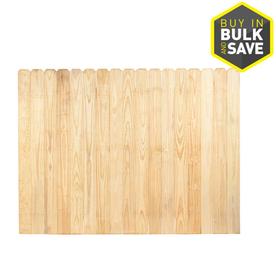
We bought a fence panel ($37) from our local building supply store. It measured 6x8x8 and it would build three raised beds. I could have bought lumber to build three low raised beds for triple the cost. HELLO!!?? WHY??!! Also, why am I talking about low raised beds for adaptive gardening? Well, you have some rather tall plants like cucumbers and beans (trellised), corn, okra, and a few other vegetables that need a place to be. Imagine you have an elevated raised bed (about 3' up) with 7' corn or 8' tomatoes in it. I'm might grow vegetables, but I'm not the Jolly Green Giant. Ho ho ho!
This fence panel made my beds 3'x6'. It's smaller than the standard 4'x8' bed on purpose. I will have to reach less to get to the middle of the bed. Thus, the chances of throwing myself off balance is reduced. Building them was easy and cheap. Filling them with an organic planting mix not so easy and cheap. There's nothing but red, compacted clay and bedrock a foot or so down around here. Today after the rain, my mini garden, only for this season of trials and errors, the first bed we built looks like this. I've got onions, carrots, grey zucchini, pumpkin squash, tomatoes (4 varieties of heirlooms), and okra. Can you guess what shouldn't have been planted in this low raised bed? It was a brain fart moment like a machine gun for me while planting. Looks can be deceiving. These tomato plants are 4' tall already. The pumpkin squash plant has runners 6' long. It stretches from the bed to a 6' tall trellis.
The second bed is Mel's original 4x8 hardy board siding bed. I planted assorted beans (green beans and 15 bean soup mix beans), sweet potato slips, soybeans (non GMO),
and a couple of Roma tomatoes for sauces. Brain fart- most of the beans
are bush type plants rather than pole. Sweet potatoes are a no brainer,
they grow underground. DOH! In the back, you can see one of our compost
bins. Leftover fencing. A cheapy, cheap project. Off to the far right is
the old chicken coop that the chickens no longer use. They only use it to lay eggs in if they don't lay them in one of Mel's toolboxes in the barn/workshop.
Although next year, I will be growing sweet, red, Yukon Gold, and russet potatoes in twenty gallon containers in spite of all the arguments I'll have from my roommate. I'll reuse the old tires around my brambles (raspberries and blackberries) to control their spreading tendencies. The used soil will go into the new elevated raised. Meanwhile I'll keep on making new soil via the Back to Eden / permaculture method. This year purchasing compost and peat was faster and I was all about getting some kind of garden in.
The second 3x6 bed is newly planted yet again with corn, bush beans, carrots and cucumbers. And look what I found this morning! The first tiny cucumber plant peeping out through the mulch. This makes the fourth time I've tried to plant this. Not bad for only being planted a few days ago. Hopefully the chickens will stay out. Behind this bed is three 2-year old peach trees that Mel planted a year ago with the intention of transplanting them in the orchard. Well, they are still there waiting. I figure the cucumber vines will use them for supports.
*The third 3x6 bed is waiting to be built. Probably in the Fall or Winter with another three low raised beds for the garden expansion.
Speaking of supports. For our trellises, although we had one purchased tepee support and one redwood trellis, we use what nature provides. It might not
be the prettiest, but you can't beat the price. Old, beat up fencing
makes this a snap too. On some others we've used the fencing around the garden, and on others bits and pieced of leftover clothesline or wiring.
Another adaptive gardening technique is making elevated raised bed planters. We made ours from a discarded pallet (4x6) for each one. This is a freebie except for the nails. Oh wait, we reused the nails from the pallets. A true freebie! Except for the electricity used for the saw. These are 1x4 for herbs. They are 33" inches high which is waist high to me. I guess we could paint
them to look attractive, but I'm more about functionality than beauty...
maybe that's why I don't bother with makeup (war paint), or even
brushing my hair with a Pixie haircut, why bother?
Another adaptive gardening technique we've used this year is a gutter system with a soaker hose. Per square foot this was the most expensive at about $2 per square foot. The vinyl gutters themselves are inexpensive ($6), but the hangers and end caps ($20) will triple the price. Pictured is part of one six-foot run of strawberries. We've got one more of strawberries and 2 six-foot runs of gutters for lettuce, spinach, and radishes. Plenty to feed us and the rabbits. We've attached them to the outside of our enclosed porch to keep the chickens out of them. Yeah, I need to prune these back. But we got ten pounds of strawberries from 20 plants this year. Next year will be three times as much at least if I replant the runners.
You aren't lucky enough to have a enclosed porch or railings to hang gutters from? Remember that 6x8x8 wooden fence panel? Get that and a couple of 4x4s and make yourself a growing wall. Or wire free pallets together. Gutters will screw into about anything even the side of your house. If you can't grow out because of space limitations, grow vertically.
Adaptive gardening doesn't have to be expensive to accomplish. Use what you have on hand.
The whole gist of this blog today, besides showing off, is that you don't have to give up the things you loved to do after your stroke. You can do almost everything you once did with some modification and a little imagination. Sure there are some things you might never do again like using hedge clippers with ease (but who really likes doing that?) I may not ever run the NY marathon again, but if I really wanted to I could walk it. There are always concessions/adaptions that have to be made as with living in general. Living post stroke is the same thing.
It's been a while but I've been busy as you will read.
(Started this in May.) LOL
Well, it's Spring again. So begins a new garden of delicious vegetables waiting to grow. We have three standard 3x6 raised beds made from a fence panel. We still have to purchase another one to make into 8" deep raised beds for a total of six beds for taller and/or climbing plants (corn, beans, peas, cucumbers). I won't have to bend down to harvest.
I cut the handle of a mop and attached a two and a half foot and to a hoe and claw to make weeding easier. My old bones and hip replacement just doesn't take the bending as easily.
(Started this week and I'll try to do better) I just passed my 4 year anniversary on the 27th of May. My time does fly when you are not having fun and running around like a chicken with its head cut off literally. No I haven't gotten more function in my arm and hand back, my leg still inverts both due to my post stroke spasticity. Since I've been here, I've found a new neurologist, cardiologist, and dry needling PT. I'm still waiting on a PCP. I've got an initial appointment in July. My new therapist is not as experienced or confident as my old one, so I'm not making the strides I was with my new one, but at least I'm out of pain. I've finally been able to back down to once a week, but since I'm not making positive strides it's more pain control.
I'm also scheduled for Botox with my new neurologist the second week in July. I've been lucky so far with the new doctors. They've all been on the same page as me or a page or two ahead. I haven't had to fire one because of the god complex yet. So yeah, considering all that I've heard from other stroke survivors about useless doctors, I've been lucky.
I've had to really fight with gardening this year. Between it being a new garden and the chickens, it's literally been a battle. I'm doing a combination of square foot and back to Eden gardening. I planted my seeds perfectly so that everything got enough light and water. It was going to be perfect just like my garden beds back in my other place. The planned harvest would be enough it carry Mel and I through this season with plenty of fresh goodies. Or that was the idea.
Enter the chickens...
They have been a bane to all my gardening efforts this year. They figured out they could fly over the fence this year. They ate and scattered seeds all over the place in each bed. They also have dug out large areas for dust bathing. So far I've replanted corn five times, green beans and cucumbers four times. I have no idea what's coming up or where. I harvested four pods of beans yesterday to find out which plant it was. It turned out to be red beans. I picked a huge zucchini that grew and was buried underneath a tomato plant. This sucker was twelve inches long by six inches around! I've got pumpkins growing where my yellow squash was planted. No yellow squash made it. Sixty English pea plants are history. There's no telling what this year will bring.
Speaking of the chickens. We plan to hatch out a new laying stock next Spring. The current layers will go on to their next stage of life. These new ones and the rooster, Whitie, will go into a regulation hen house and yard. I'm tired of fighting them and next years garden will be fresh eating and six months worth of eating.
We had to fence off the compost area so there would be compost. After the chickens had a go through it, there was only carbon left in it for a lopsided compost. This is the only homestead I know of that free ranges the chickens and fences off areas to keep them out of it. Mel ended up putting a 5' fence around the garden and compost pile.
I killed one extra rooster and made another zombie rooster out of the other one. His days are numbered because I found the hatched and am sharpening it as I write. No more will future roosters age more than four months old. They are tough and muscular. I broke the neck of the second rooster but it didn't kill him. Yeah, his muscles are that tough. He just wanders around the homestead with his head tilted at a cockeyed angle. Is it any wonder we call this the Cockeyed Homestead?!
We fenced off a dog training area for Mel. She wrote a book on how to train your dog in ten weeks. Of course she had a brilliant idea of not only adding pictures but also a DVD to it. So we had to get another dog. We went to the shelter and found a German Shepherd mix. This wasn't a puppy but a three-year old, 80 lb DOG. She called him "Bennie" and I called him "Dufus" because he is dumb as a pile of rocks and is as heavy as them too. He now answers to both names.
Herbie, the 20 lb wonder dog
In choosing this video dog we went down the line of dogs at the shelter. The dog she needed had to be untrained. At each cage we commanded the dog to sit. When it complied it got petted and we went on to the next cage. When a dog didn't respond to the command, it got praised and petted. We found after comparing note, there were two options. One was a puppy and the other was Bennie Dufus. This dog had never been in a truck because we had to bodily lift him into the truck to bring him home. He'd never been inside a home before. He'd always been on a tether. We found this out when he bodily picked up Herbie and one of the cats, and shook them within an inch of their lives. He also killed one of our laying hens after climbing over the fenced training area. All within the first twenty-four hours with us. So he's back on a tether in the training area during the day and inside at night. He hasn't messed with any more of our household critters since the first day. He is put through his paces of simple commands like "come" and "sit" and he's done pretty well with those for the past two weeks. I'm just looking at the "Dufus" part of him and thinking he's not going to be a well behaved dog in ten weeks, but I could be surprised. Right now I'm doing my best not to get tripped up by him. But then again, if he throws me off balance he's big enough to steady myself with him.
It doesn't sound like a lot when I list it like this, but it's been one thing after another.
Nothing is impossible.
Come find me on youtube where I'm doing cooking and other videos.